Rupee tumbles past ₹90 per dollar for the first time — what it means for you
 Facebook
 Twitter
 LinkedIn
 WhatsApp
Summary: The Indian rupee dropped to a historic low – almost ₹90 to a US dollar — amid foreign capital outflows and global challenges, rising import prices, and fueling fresh concerns about inflation.
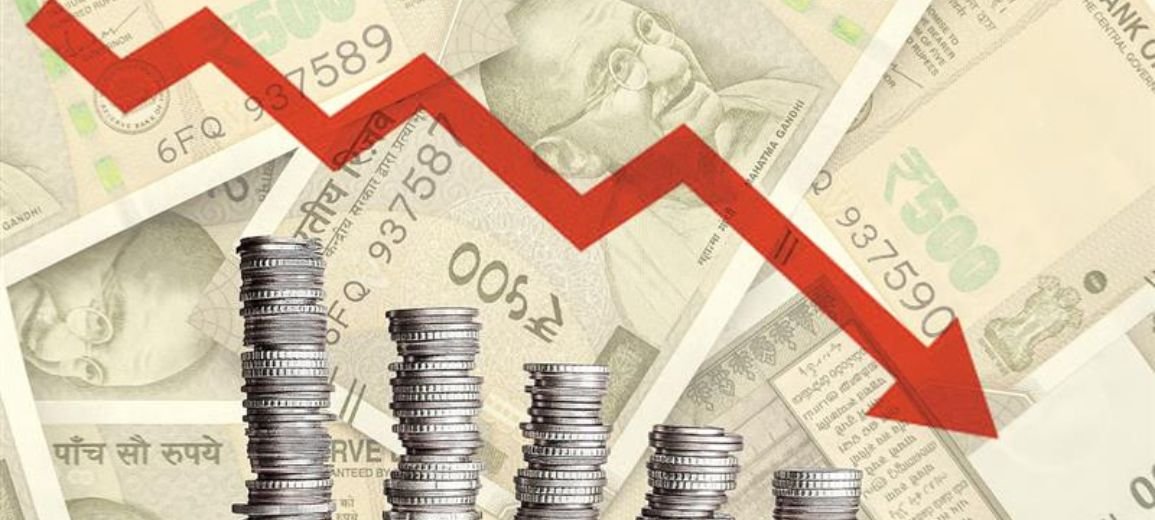
The Indian rupee slid past the critical ₹90-per-dollar mark today, hitting a fresh all-time low — a moment that financial markets, businesses, and common households are watching closely.
A mix of factors piled pressure on the currency: foreign investors continue to pull money out of Indian stocks and bonds, international trade remains difficult, and a strong dollar worldwide is making imports costlier for India.
Higher demand for dollars — from importers, companies with overseas debt, and those buying foreign goods — is also pushing the rupee down.
Looking at the rupee hitting ₹90 isn't just about the number, but it's a mental barrier with real effects. It's likely a nightmare for firms that rely on imports, such as fuel, electronics, and medical supplies, which become pricier. For people like us, this means higher fuel prices, less savings, fewer purchases, and vacations abroad.
The currency’s fall has stirred talk about possible intervention from the Reserve Bank of India (RBI) or fresh policy moves. But many analysts warn that until foreign flows stabilise and global pressures ease, volatility — and a weak rupee — might stay.
There’s also a chance this decline could give a small boost to exporters — their dollar earnings convert to more rupees — but that might not offset the broader pinch felt by the wider economy.