RBI Conducted a 14-day Variable Rate Reverse Repo on 24 February to Manage Liquidity in Economy
 Facebook
 Twitter
 LinkedIn
 WhatsApp
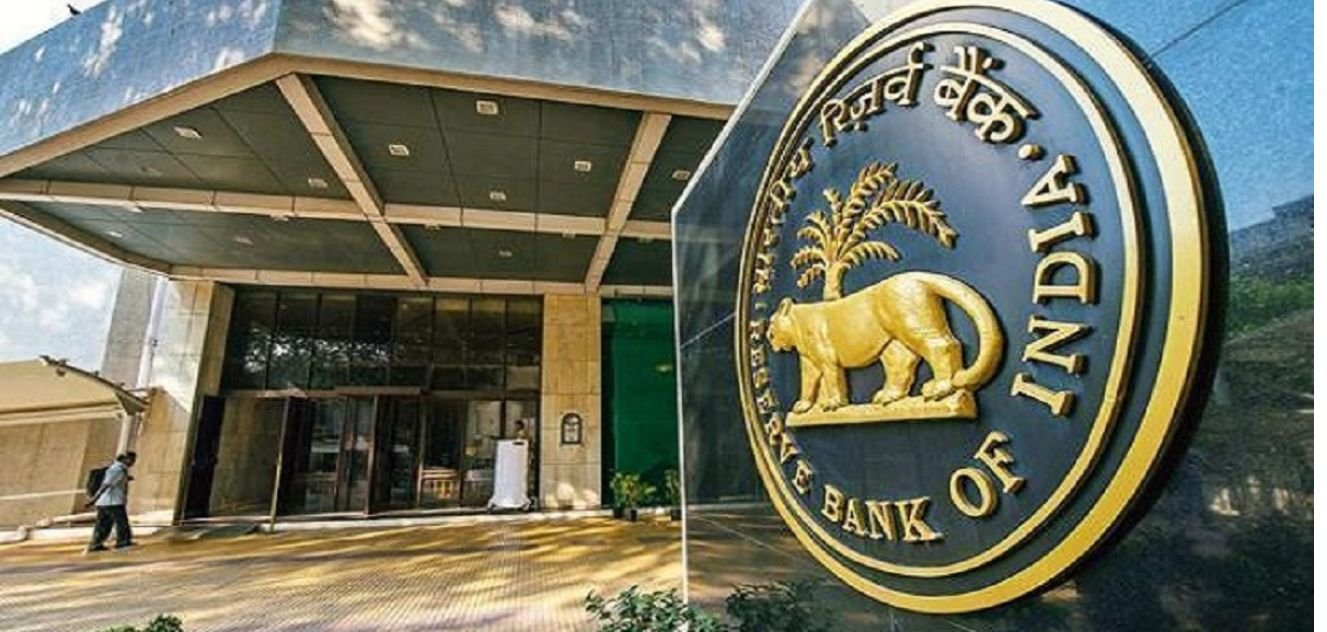
Due to turbulence in the global economy, the RBI has sought to maintain external economic balance through a variable rate reverse repo (VRRR) auction for 14 days, starting today for an amount of Rs. 50,000 crores. The auction took place from 10:30 am to 11:00 am. On 10 March, the reversal of these funds will happen. RBI’s decision comes in the light to ensure a trade-off between inflation and domestic growth as per the responsibilities it has been assigned.
Thus, RBI is undertaking VRRR to remove excess liquidity from the system. In the monetary policy minutes on 22 February, Shaktikanta Das, RBI Governor said that there is a surplus of overall liquidity. And under LAF, the average daily absorption from December to January has increased to Rs. 1.6 lakh crores from Rs. 1.4 lakh crores in the months of October-November.
The auction required banks to place their bids in percentage terms up to two decimal places and they were allowed to place multiple bids. It was observed on the e-Kuber (CBS) platform. In the auction, the minimum amount for bidding was fixed at Rs. 1 crore and in its multiple from then. The allotment was done in the same manner. Bids at or over the repo rate were not accepted and successful bids were accepted at their said bid rates.
RBI had set a condition that more than one successful bid will be considered as there was the provision of pro-rata allotment at a cut-off rate. It would reserve the right to absorb less than the amount notified without providing any reason. Or, absorb a little more than the notified amount when rounding off the bid amount. The applicable haircuts and eligible collateral were the same as that for LAF.
The bids were arranged in ascending order of quoted rates when the bidding time got over. And thereof, the cut-off rate was decided at the rate related to the notified amount at the auction.