Parliament passes G-Ram-G Bill to replace MGNREGA amid Opposition walkout
 Facebook
 Twitter
 LinkedIn
 WhatsApp
Summary: A new G-Ram-G bill replaces the MGNREGA bill that Parliament passed despite strong opposition protests.
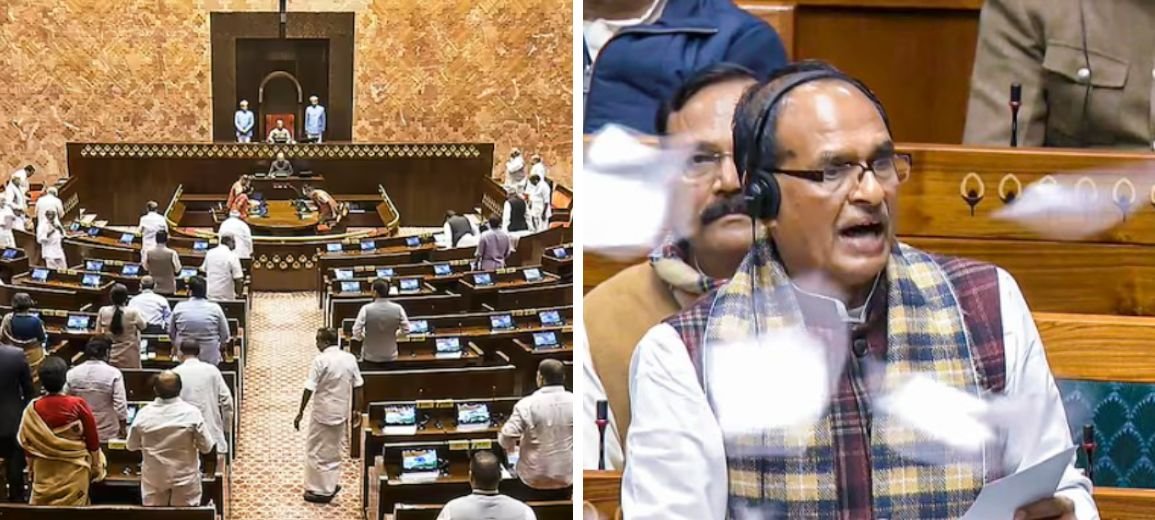
Parliament on Tuesday cleared the G-Ram-G Bill, a new employment guarantee law meant to replace the long-running Mahatma Gandhi National Rural Employment Guarantee Act (MGNREGA). The move came amid sharp protests and an Opposition walkout, reflecting deep political divisions over the change.
The G-Ram-G Bill — short for Gram, Rozgar, Garib (village, employment, poor) — aims to modernise India’s rural job guarantee framework. The government says the new law will offer workers more flexibility, leverage digital tools for transparency, and tie wage jobs more closely to current labour-market needs.
Supporters believe that the revised plan will enhance job creation, making it more effective and suitable for the current rural economy. They also assure greater transparency and faster payment processing, tackling ongoing issues with MGNREGA.
However, Opposition parties strongly objected to the legislation. During the debate in both Lok Sabha and Rajya Sabha, many Opposition MPs said the bill risks diluting workers’ rights and reducing guaranteed days of work. They walked out of the House in a show of protest after the bill was passed.
MGNREGA has been one of India's primary rural welfare programs for almost two decades, providing rural families with at least 100 days of work each year. Many families have used it as a safety net, particularly during agricultural lean seasons and economic downturns.
Now, with the G-Ram-G Bill becoming law, the focus shifts to how the new system will be rolled out and whether rural workers will find the promised benefits in practice. The government says detailed guidelines and implementation plans will follow soon — but analysts and activists alike say close monitoring will be essential to ensure that the transition doesn’t leave vulnerable workers behind.