JBM Group Buys Glida, Fortum India’s EV Charging Network to Expand Green Alternatives
 Facebook
 Twitter
 LinkedIn
 WhatsApp
Summary: JBM Group acquires Glida EV charging business, expands its electric mobility reach.
JBM Group has taken a significant step into the electric mobility industry by acquiring Glida, an electric vehicle (EV) charging network previously operated by Fortum India. This deal substantially enhances JBM's plans for EV infrastructure, as the company aims to solidify its role in the fast-growing green transportation sector.
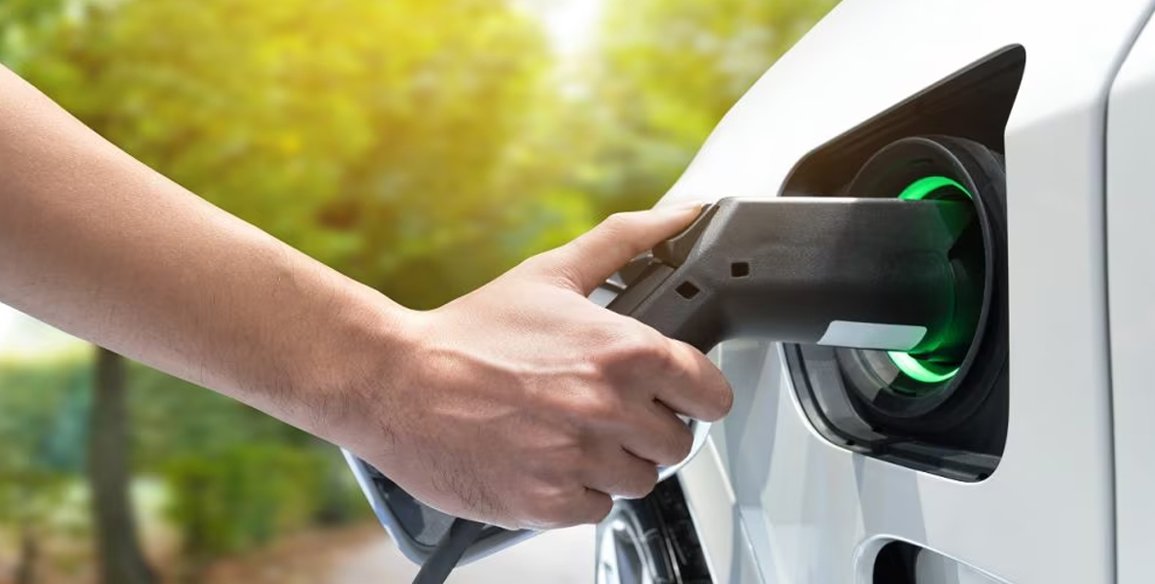
Glida has a wide EV charging network across India, available in multiple locations for both AC chargers and fast DC options. JBM is boosting its position in the EV industry and hopes to play a larger role in developing India's charging infrastructure as the country transitions to cleaner transportation.
The move comes at a time when EV adoption is rising, helped by government support, high fuel prices, and growing interest in greener choices. Experts say a strong charging network is crucial to boost consumer confidence, giving companies that expand a clear edge.
For JBM, which already has experience across buses, commercial vehicles and allied mobility services, taking over Glida adds a new dimension to its future growth story. The company hasn’t just bought hardware — it’s bought a ready engine for recurring revenue in a space where demand is expected to climb sharply in the next decade.
Additionally, the acquisition is a sign of growing consolidation in India's EV infrastructure business, where both foreign and domestic companies are expanding their operations to gain an early market share. JBM's expanded network, which plans to add thousands more charging stations in the coming years, could have a big impact on India's EV ecosystem.
JBM officials say they plan to further integrate Glida's network with their existing mobility services in addition to investing in upgrades to improve charging reliability, accessibility, and user experience. As EVs are already seeking faster and dependable charging options, such moves could help narrow the infrastructure gap that has been a sticking point for the broader adoption of electric vehicles in the country.
In short, the acquisition isn’t just a business deal — it’s another sign of how quickly India’s electric mobility landscape is evolving, with companies jockeying to build the roads, stations and services needed to carry the country into its EV future.