India’s Toll Changes Are Finally Making Highway Drives Less Stressful
 Facebook
 Twitter
 LinkedIn
 WhatsApp
Summary: New toll rules focus on digital payments, fair pricing, and smoother, faster highway journeys.
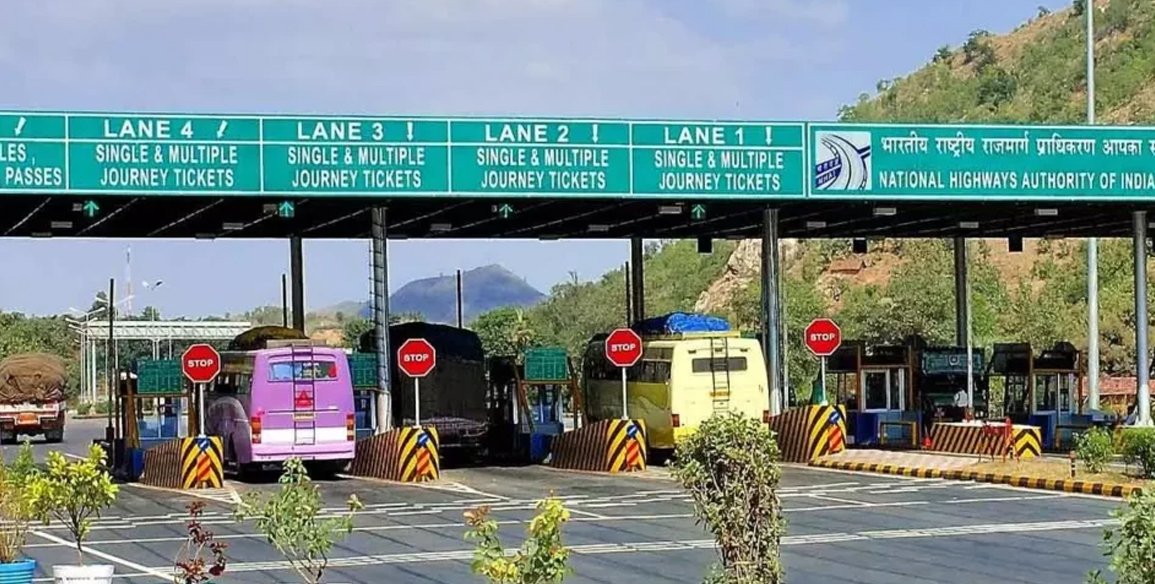
If you’ve driven on Indian highways lately and felt things moving a bit faster at toll plazas, that’s not a coincidence. The government has been quietly reshaping how tolls work, with one clear aim: less waiting, fewer arguments, and smoother travel.
At the centre of these changes is FASTag, which has already become almost universal on national highways. With most vehicles now using it, long queues and cash handling at toll booths have reduced noticeably. The government aims to maintain this momentum rather than halting progress.
One important tweak is how non-FASTag users are charged. Earlier, paying without FASTag meant shelling out double the toll, which often led to frustration and last-minute chaos at plazas. Under the new approach, drivers who don’t have FASTag but pay digitally — through UPI or other cashless methods — are charged about 1.25 times the normal toll. It’s still a nudge toward FASTag, but without being overly harsh.
There’s also some relief for drivers stuck using roads that are still under construction. If a highway stretch isn’t fully ready, motorists now pay only half the toll until work is completed. This change comes after a long list of complaints from commuters who felt they were paying full price for unfinished roads.
Looking ahead, the biggest shift could come from barrier-free tolling. The government is developing systems that enable vehicles to pass through toll points without stopping. Using a mix of FASTag and number-plate recognition technology, the idea is to let cars move at normal speeds while tolls are deducted automatically in the background.
To support all this, authorities are also tightening the FASTag system itself — linking it more closely with vehicle records, reducing misuse, and improving complaint resolution for users when things go wrong.
Taken together, these reforms may not grab headlines, but they matter in everyday life. For anyone who spends hours on highways — whether daily commuters, truck drivers, or families heading out on road trips — the goal is simple: less time stuck at toll booths and more time actually moving. And for once, that’s a change most drivers can get behind.