India simplifies customs tariffs and port charges to make trade faster and cheaper
 Facebook
 Twitter
 LinkedIn
 WhatsApp
Summary: Port reforms and new tariffs aim to reduce trade costs, minimise delays, and enhance shipping efficiency.
India is making plenty of adjustments to its customs tariff structure and port charges in an effort to make importing and exporting easier, faster, and less expensive. The concept remains simple, with less paperwork, low logistical costs, and making Indian ports easier to work with for global shipping businesses.
An important aspect of the update is improving the customs tariff system. The government aims to reduce confusion, conflicts, and delays in customs clearance by organizing similar products into clearer tariff categories. This could improve the circulation of commodities through ports and reduce categorisation conflicts for businesses.
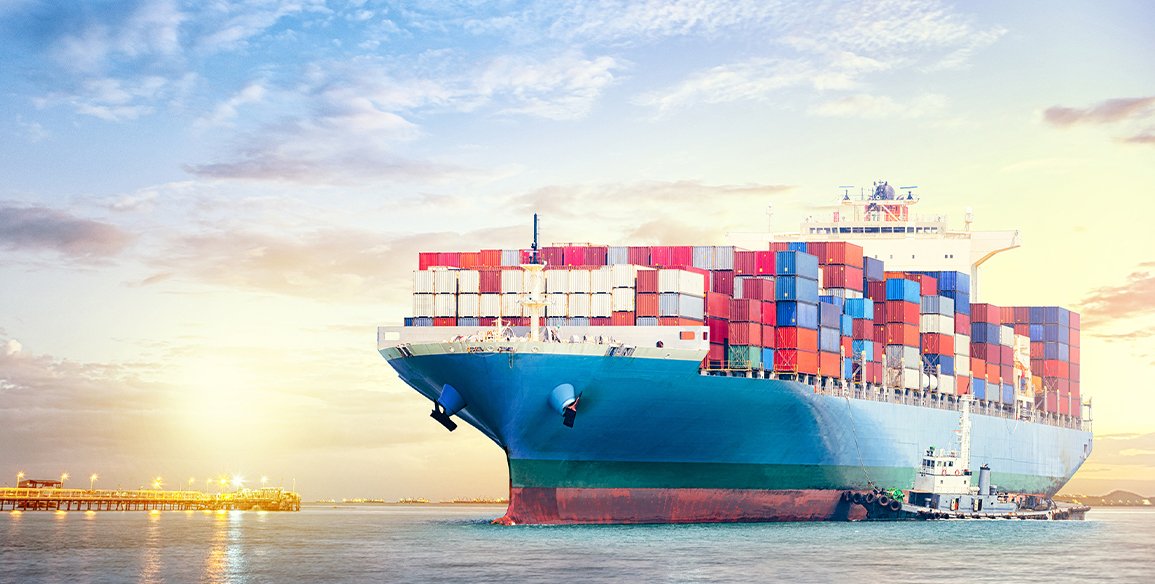
Additionally, port-related fees for cargo ships have been updated. Some fees have been reduced, while others have been reorganised to better reflect worldwide standards. Officials say this should help cut waiting times for ships and improve turnaround at major ports — an important factor for shipping companies deciding where to dock.
Taking these steps can increase the savings for companies that heavily rely on imports and exports, especially electronics, manufacturing, and textile industries. Quicker permits and cheaper handling costs often result in considerable savings over time, especially for businesses dealing with large volumes.
Shipping companies have responded positively, noting that predictable charges and smoother operations make Indian ports more attractive. Analysts view this as part of India's broader strategy to enhance its involvement in global supply chains and establish itself as a key commercial hub in the region.
However, experts point out that the real test is in execution. While the policy changes appear positive, their success will be determined by how consistently they operate across jam-packed ports, where traffic and procedural delays remain prevalent.
Overall, the measures represent a practical attempt to modernise India's trading sector. The government expects that by simplifying taxes and improving port operations, businesses will be able to trade more smoothly and competitively with the rest of the world.