DoT’s new SIM-binding rule for messaging apps draws privacy concerns and technical doubts
 Facebook
 Twitter
 LinkedIn
 WhatsApp
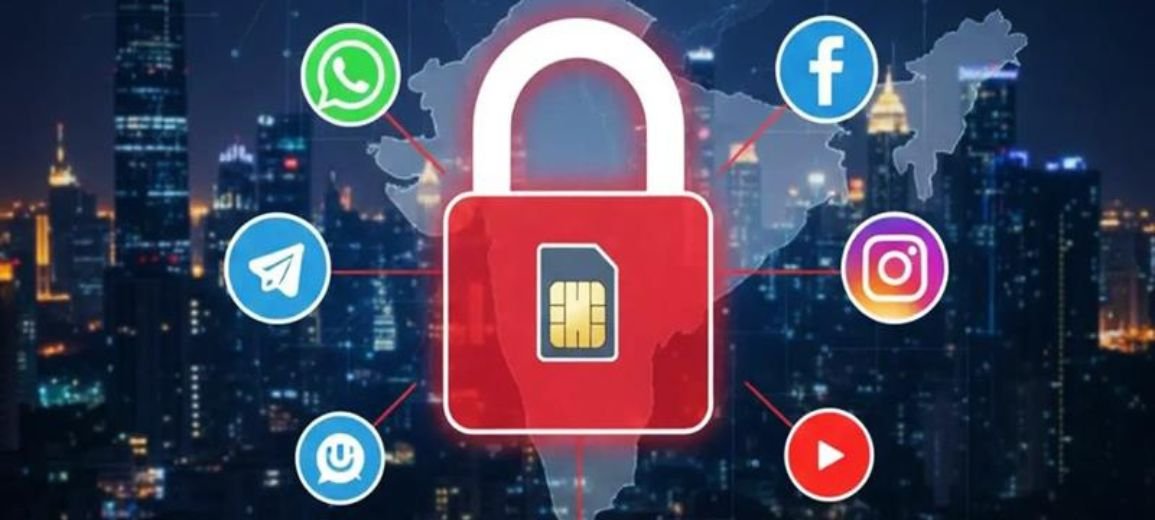
Summary: India’s telecom regulator now asks apps like WhatsApp, Signal and Telegram to link user accounts to active SIM cards — a move intended to curb scams, but raising big questions about privacy, practicality and internet freedom.
The government has stirred up a debate with its latest order: messaging apps such as WhatsApp, Telegram and Signal will now need to ensure that every account is tied to a working SIM card. And if someone tries to use the web or desktop version of these apps, they’ll have to re-login every six hours — no bypassing the rule.
The idea, according to the regulator, is to crack down on digital scams and frauds — especially those run using disposable or foreign SIM cards, or long-running WhatsApp Web sessions. By tying each account to a verified SIM and forcing periodic re-authentication, they hope tracing bad actors will become easier.
The telecom industry has been supportive, hoping for increased security and less abuse.
But the rule has opened a flood of criticism — from privacy advocates, tech experts, and digital-rights lawyers. They warn that it’s a major overreach, blurring the line between telecom regulation and internet freedom.
What happens to people who switch SIMs or use internet-connected devices without SIM slots — like tablets or laptops? They might find themselves locked out of their own chats.
There’s also a question of feasibility. Many phones and operating systems don’t allow apps to access core device identifiers reliably, which means “SIM-binding” in practice might be almost impossible.
And critics argue that even if the rule works, it won’t stop fraud happening on other platforms — payment apps, social media, or completely separate channels. In other words: big hassle, maybe little real benefit.
Also, the timing and pace of the deployment have raised concerns. With only a few months to complete the requirements and no public participation, many believe this directive bypasses democratic procedures.
So yes, the new rule may seek to increase security. However, it also risks causing disruption, privacy concerns, and a larger discussion over how much control governments should have over the tools people use to communicate.