Bitcoin Becomes Early Indicator as Tariff Fears Begin to Fade
 Facebook
 Twitter
 LinkedIn
 WhatsApp
Summary: Analysts say odds favour the US softening tariff stance, with Bitcoin prices signalling shifts.
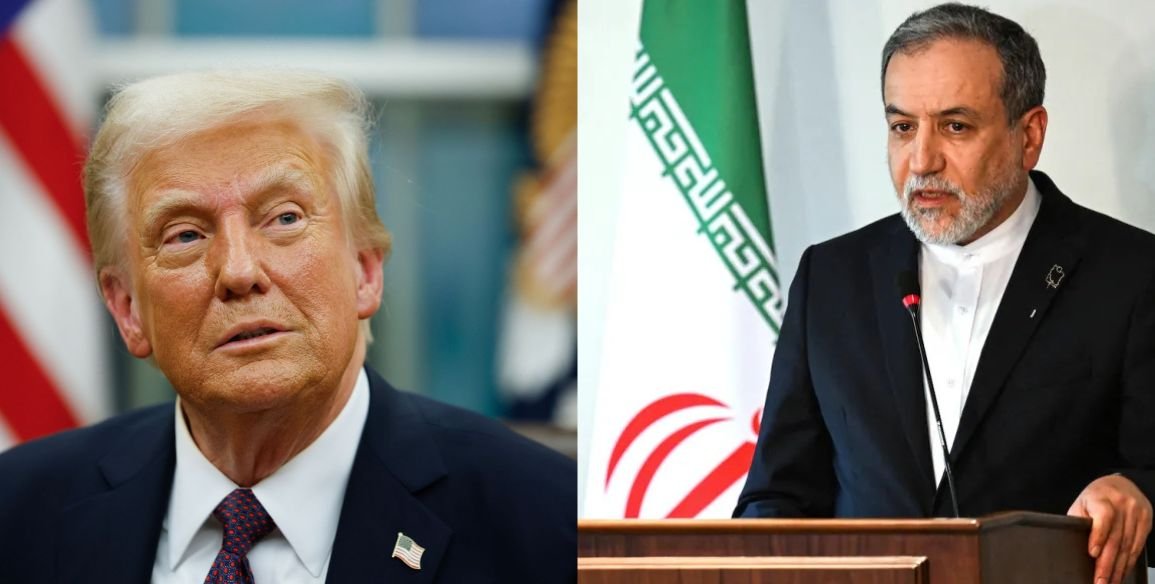
Investors and crypto watchers are increasingly betting that the United States may dial back its proposed 25 per cent tariff on countries trading with Iran, and interestingly, Bitcoin’s price action is already hinting at that shift ahead of official moves.
The idea gained traction after markets reacted nervously when the tariff proposal was first floated — a policy that could have hit global trade ties if nations, including India, continued buying Iranian oil and goods. But as the weeks passed, analysts started giving odds as high as 86 per cent that Washington will ease the tone or scale back plans to make the tariffs as punitive as first announced. (cryptonews.com)
For traders, there’s a subtle but noticeable pattern: Bitcoin prices often act like a real-time barometer of risk appetite. When confidence rises that geopolitical flashpoints — like tariff shocks — might be avoided or softened, Bitcoin has tended to stabilise or rebound after sell-offs. That’s because some crypto investors see it as a hedge on policy uncertainty and a store of value when traditional markets wobble.
In recent sessions, that dynamic has been on display. Bitcoin ticked up as news broke that behind-the-scenes discussions in Washington and foreign capitals suggest parts of the tariff proposal could be watered down or delayed. Even though there’s been no formal announcement from the White House yet, the market’s forward price moves have shown renewed buyer interest when headlines hint at less aggressive trade actions.
Economists say this isn’t unusual. Modern financial markets look well beyond press releases, trying to price in expectations of what policymakers will do next. When influential traders and macro funds start pricing in an 80 per cent-plus chance of policy reversal, other asset classes — stocks, bonds, even commodities — adjust too. Bitcoin, with its 24/7 trading and global liquidity, often reflects those swings faster than traditional instruments.
At the same time, sceptics warn it’s still early days. Tariff policy — especially around sensitive regions like the Middle East — is volatile and can shift with political winds. Bitcoin's recent rise seems connected to lower worries, but the cryptocurrency markets are also influenced by larger factors like interest rate predictions, regulations, and investments from institutions.
Still, traders are watching Bitcoin like a thermometer, interpreting its recent bounce as a sign that market confidence is returning. Whether that ultimately means a change in U.S. tariff policy will become clearer as Washington has more discussions and possibly issues clarifications in the coming weeks.