
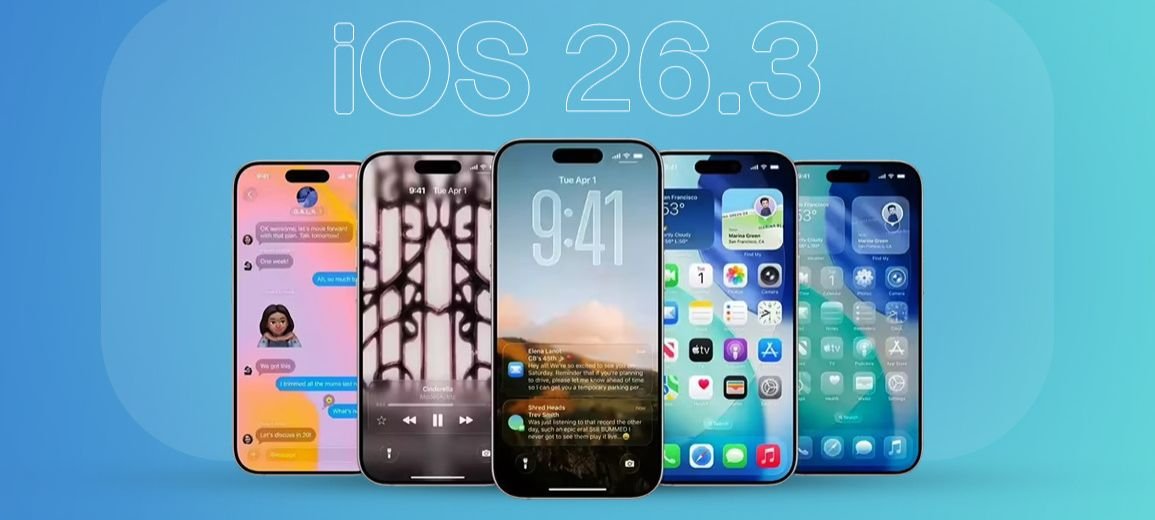
Apple’s iOS 26.3 makes it easier for Europeans to connect third-party devices
 Facebook
 Twitter
 LinkedIn
 WhatsApp
Summary: New iOS update improves pairing and notifications for third-party accessories across iPhones in Europe.
Apple is rolling out iOS 26.3, and one of its biggest changes will make life a lot easier for iPhone users in Europe who use accessories that aren’t made by Apple. The update — currently in beta and expected for public release in early 2026 — comes as a response to new rules under the European Union’s Digital Markets Act (DMA).
Historically, Apple has kept its ecosystem tightly controlled. Pairing an AirPods headset or an Apple Watch with an iPhone has been simple and seamless, but third-party earbuds, smartwatches and wearables had to go through a more clunky Bluetooth pairing process. That changes with iOS 26.3.
In the EU, the update will allow features like “proximity pairing,” where a third-party device can connect to an iPhone just by being brought close to it — similar to how AirPods pair now. It also enables notification support for non-Apple smartwatches, meaning alerts from your phone can show up and be interacted with on a third-party wearable.
These changes are important because they make the iPhone more attractive to accessories from other manufacturers, giving European consumers more convenient options for watches, earbuds, and other devices. EU authorities have even praised the revisions, describing them as providing more choice and better competition in the tech market.
For now, this smoother pairing experience and new notification support are set to roll out only in the EU — part of Apple’s compliance with local competition rules. Outside Europe, iPhone owners still follow the usual, more restricted pairing process, though discussions about broader changes continue in the industry.
In short, iOS 26.3 could mean a much better experience for Europeans using non-Apple devices with their iPhones, opening the door to more choice without losing the easy setup Apple users expect.
When it was India's turn to bat, they moved calmly and strategically. The pursuit was led by experienced players who paced their innings based on the target and conditions. With obvious intent and little risk, the Indian batsmen targeted gaps and cycled their strikes, putting the required run rate firmly within reach.