Inside E-Commerce Logistics: The Real Role of AI, Automation, and Analytics
 Facebook
 Twitter
 LinkedIn
 WhatsApp
Today, placing an online order and getting it delivered to your doorstep within a day is normal. Some orders are even delivered within hours or minutes, and that feels magical. However, behind this smooth experience is a complex logistics machine powered by AI, automation, and analytics.
As online shopping is becoming just like a daily chore, customer expectations are rising; thus, the giants are turning to smarter ways to keep up with the demand. Speed, accuracy, and efficiency are no longer optional. They’re the baseline.
Let’s break down how AI in e-commerce logistics and logistics automation is changing the game.
Why E-Commerce Logistics Needs a Smarter Backbone
E-commerce logistics deals with millions of moving parts every day—inventory management, order picking, packaging, shipping routes, last-mile delivery, and returns. If companies think of manually handling all this or with outdated systems, it simply won’t scale.
This is what customers want: fast delivery, real-time tracking, fewer errors or none at all, and easy returns.
To meet every demand, firms must think beyond the traditional methods, and this is where AI, analytics, and automation come in.
AI in E-Commerce Logistics: Making Decisions at Machine Speed
Artificial intelligence aids logistics systems in thinking, predicting, and adapting.
Smarter Demand Forecasting
AI can smoothly analyse past sales, seasonal trends, customer browsing behaviour, and even external factors like weather and holidays. This assists businesses in keeping the right products in the right places—minimising delays and shortages.
Optimised delivery routes
AI-powered route planning adjusts in real time based on traffic, fuel costs, weather conditions, and delivery priority. This means faster deliveries and lower transportation costs.
Fraud and error detection
AI can flag unusual order patterns, address mismatches, or inventory discrepancies early, preventing losses before they grow.
Instead of reacting to problems, logistics teams can now prevent them.
Logistics Automation: Speed, Accuracy, and Scale
Automation is what keeps warehouses and fulfilment centres running around the clock.
Automated warehouses
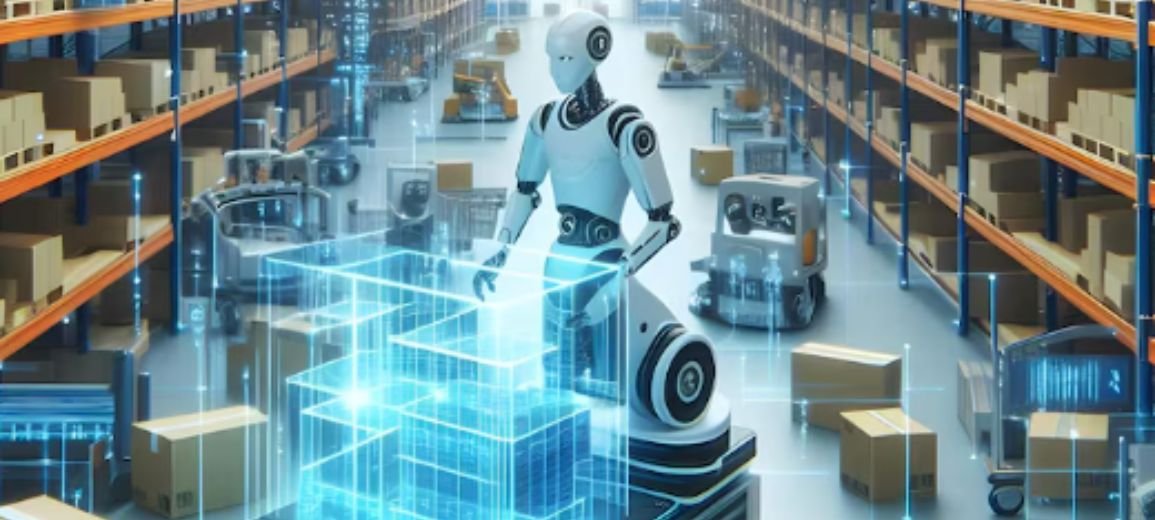
Robotic arms, conveyor systems, and automated storage units can pick, sort, and move products faster than humans—with no weariness or errors. Large e-commerce warehouses rely heavily on these technologies to handle thousands of orders every hour.
Automated order fulfilment
From scanning barcodes to packing orders, automation reduces manual handling. This reduces mistakes such as incorrect shipments or missing items.
Last-mile automation
Automated dispatch systems assign deliveries to drivers or fleets based on efficiency. In some regions, drones and autonomous delivery vehicles are already being tested.
Logistics automation allows companies to scale without constantly increasing labour costs.
Analytics: Turning Logistics Data into Clear Insights
Every stage in e-commerce logistics generates data, and analytics converts that data into action.
Performance tracking
Analytics will help track the delivery times, warehouse efficiency, return rates, and customer satisfaction. Problems no longer stay hidden but become more evident.
Cost optimization
Companies can more likely save on fuel, storage, and shipping once they start tracking their usage and patterns.
Inventory optimization
Analytics show which products move fast, which sit idle, and where inventory should be placed to meet demand quickly.
Without analytics, even the most advanced AI and automation systems would operate blindly.
How These Technologies Work Together
The real power lies in how AI, automation, and analytics connect.
- Analytics provides insights from data
- AI turns insights into decisions
- Automation executes those decisions at scale
For instance, AI determines where inventory should be relocated, analytics detects growing demand for a product, and automated systems manage shipment and storage without the need for human participation.
This continuous cycle enables major logistics companies to guarantee next-day or same-day delivery.
Why This Matters for the Future of E-Commerce
As online shopping beats window shopping and continues to grow, logistics operations will only become more complex. Companies that invest in AI in e-commerce logistics and logistics automation gain a serious advantage—not just in speed, but in reliability and customer trust.
Smaller players are quick to adopt these tools through cloud-based platforms, levelling the playing field and pushing the entire industry forward.
While e-commerce logistics seems simple initially, successful delivery heavily depends on AI, analytics, and automation. These technologies are no longer optional; they are essential to modern logistics.
As customer expectations rise and competition tightens, the companies that master this technology trio will be the ones setting the pace for the future of e-commerce.